Blue Marine Global home

SHIP MANAGEMENT SERVICES

Our Services

Blue Marine Global provides integrated ship-management services for MV EBRU and MV ECE across six areas: vessel operations, technical coordination, maintenance follow-up, inspection support and reporting, marine logistics coordination, and safety and compliance.

Our Services

  • Vessel Operations

    Day-to-day vessel coordination keeps vessel schedules and communication between the vessel, office, and relevant commercial or port contacts aligned. The exact scope is confirmed for each operation.

    Core scope

    • The vessel-to-office information flow is organised around the vessel programme, port call, and relevant operational topics.
    • Updates from agents, terminals, charterers, and other stakeholders are brought together in the context of the relevant vessel.
    • Open questions, responsible parties, and next steps are clearly tracked within the agreed operational scope.
  • Technical Coordination

    Technical needs are reviewed alongside the vessel programme and available classification and survey records. Communication and follow-up with the relevant parties are coordinated where required.

    Core scope

    • A reported technical matter is reviewed against the vessel programme, particulars, and available records.
    • Where required, communication is established with classification societies, surveyors, technical service providers, or other specialists.
    • Technical status, expected information, responsibility, and the next follow-up action are recorded clearly.
  • Maintenance Follow-Up

    Maintenance planning and repair follow-up are considered against vessel condition, programme, and available records. Priorities and responsibilities are confirmed vessel by vessel.

    Core scope

    • Planned-maintenance items, needs reported from the vessel, and open repair matters are reviewed in one priority view.
    • The vessel programme, safety impact, technical requirement, and available service window are considered together.
    • Where service or material needs are in scope, the relevant party, timing, and completion status are followed.
  • Inspection Support & Reporting

    This area covers inspection support and reporting. The required documents, findings, and follow-up scope are determined against the relevant vessel, class, flag, or contractual requirements.

    Core scope

    • Required vessel information, available records, and relevant requirements are brought together before the review.
    • Findings are organised by significance, responsible party, expected action, and follow-up status.
    • Status reporting separates completed actions from open matters according to the agreed sharing scope.
  • Marine Logistics Coordination

    Where required, supplier and shore-service coordination is aligned with the vessel programme. Roles, timing, and service-provider responsibilities are confirmed for the relevant port call.

    Core scope

    • The vessel request is turned into an actionable brief covering port, date, delivery point, and required shore-service information.
    • Supplier or service-provider contacts are coordinated against the vessel programme and port-access conditions.
    • Open delivery, access, and timing matters are confirmed and followed with the relevant parties.
  • Safety & Compliance

    The named Designated Person Ashore, Korgun Ariman, provides a clear ISM-related link between vessel and shore management. The detailed scope is confirmed against official vessel and company records.

    Core scope

    • The named Designated Person Ashore role provides a clear safety-management communication link between vessel and shore.
    • A reported safety matter is considered together with relevant records, responsibilities, and any need for escalation.
    • Actions are defined against official vessel and company records and the confirmed scope of the relevant operation.

REQUEST WORKFLOW

How is an operational request structured?

A vessel or cargo request can be made easier to assess by structuring the available information in four steps: review, coordination, follow-up, and reporting.

  1. Plan

    Vessel details, the request, ports, date range, and available technical information are considered together.

  2. Coordinate

    The relevant vessel, office, agent, terminal, supplier, or other contacts are identified according to the request.

  3. Monitor

    Schedules, open questions, and required records are followed within the scope agreed for the vessel or enquiry.

  4. Report and close

    Status, completed actions, open questions, and next steps are shared with the relevant contacts.

CARGO AND VOYAGE REVIEW

Every cargo enquiry is reviewed against the vessel and voyage conditions

MV EBRU and MV ECE differ in capacity, hold arrangement, draft, cargo gear, and vessel programme. General cargo, dry-bulk, project cargo, and containerised enquiries are therefore reviewed vessel by vessel.

Final cargo acceptance is assessed per voyage against vessel suitability, hold preparation, cargo documents, routing, port restrictions, flag/class requirements, and the charter contract.

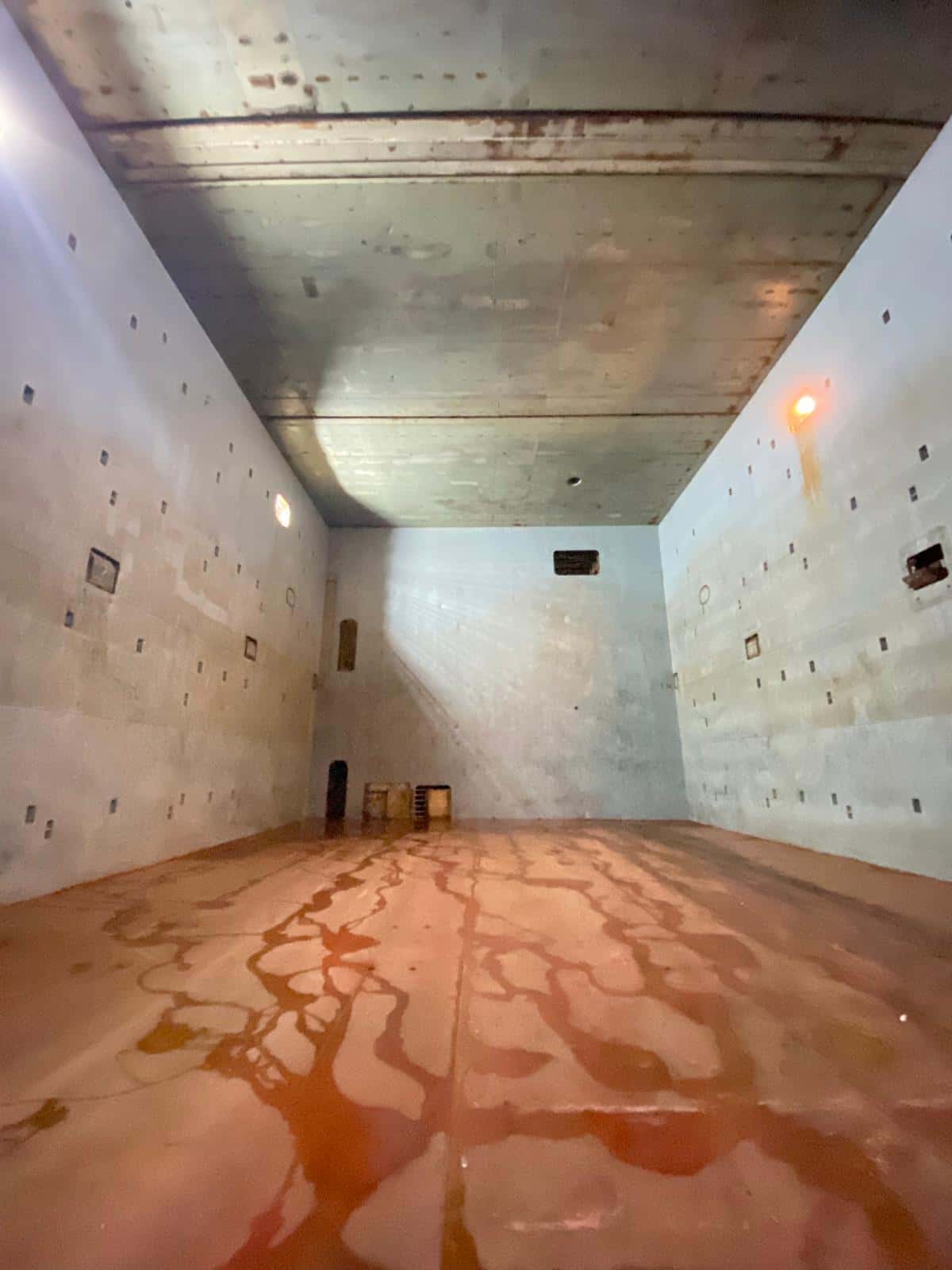
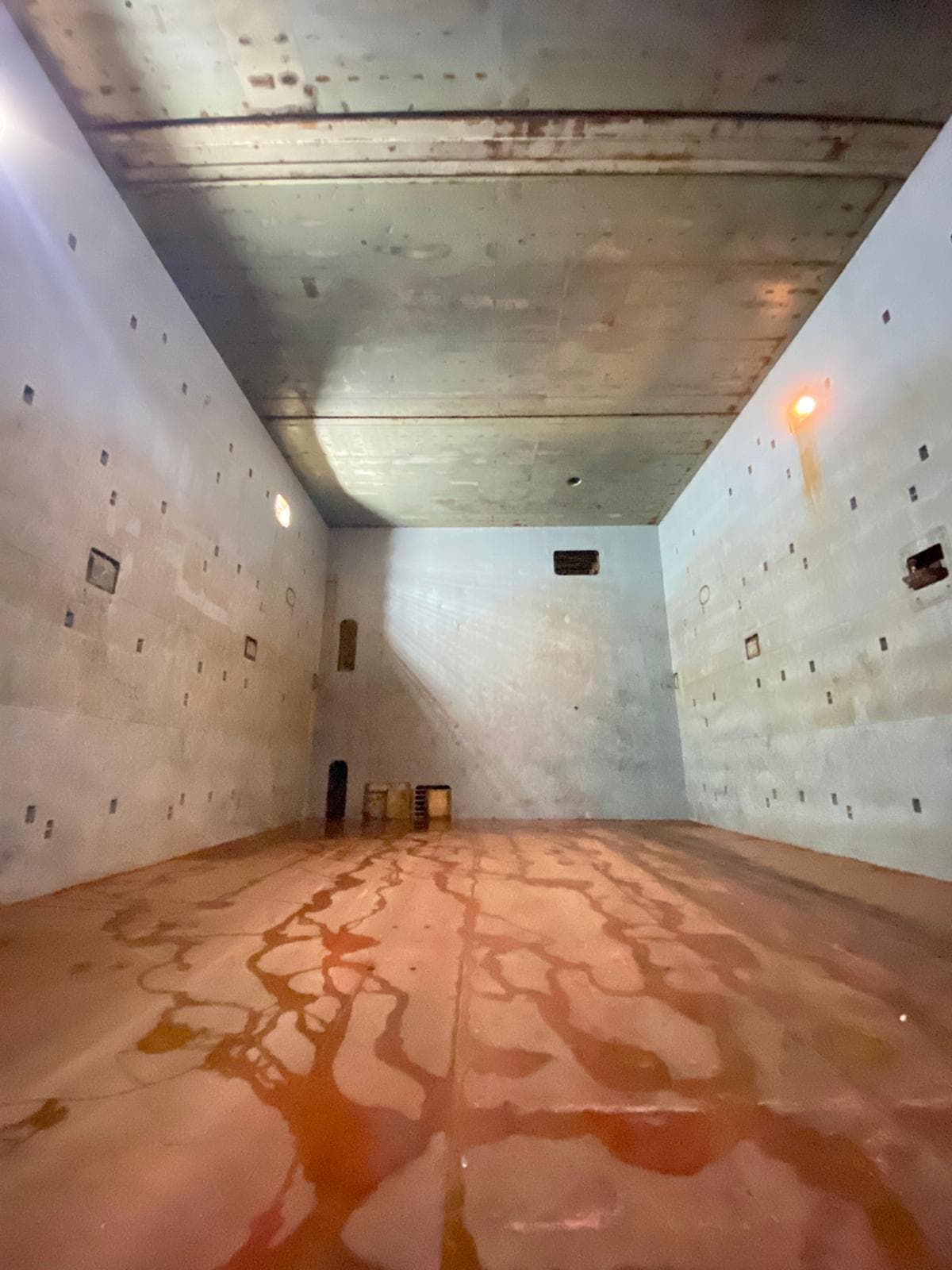
Clean general-cargo hold inside MV EBRU.
MV EBRU's actual cargo hold provides a direct visual reference alongside the vessel's documented particulars.
  • Interior view of MV EBRU's general-cargo hold.

    General cargo and breakbulk cargo

    For packaged, palletised, bagged, or unitised dry-cargo enquiries, the useful inputs include dimensions, weight, packaging, ports, and date range.

    • The enquiry can be compared with the relevant vessel's documented capacity and hold arrangement.
    • Stowage, securing, loading, and discharge considerations remain subject to the final vessel- and voyage-specific review.
    • Any required agent, terminal, surveyor, or charterer coordination is confirmed as part of the agreed operation scope.
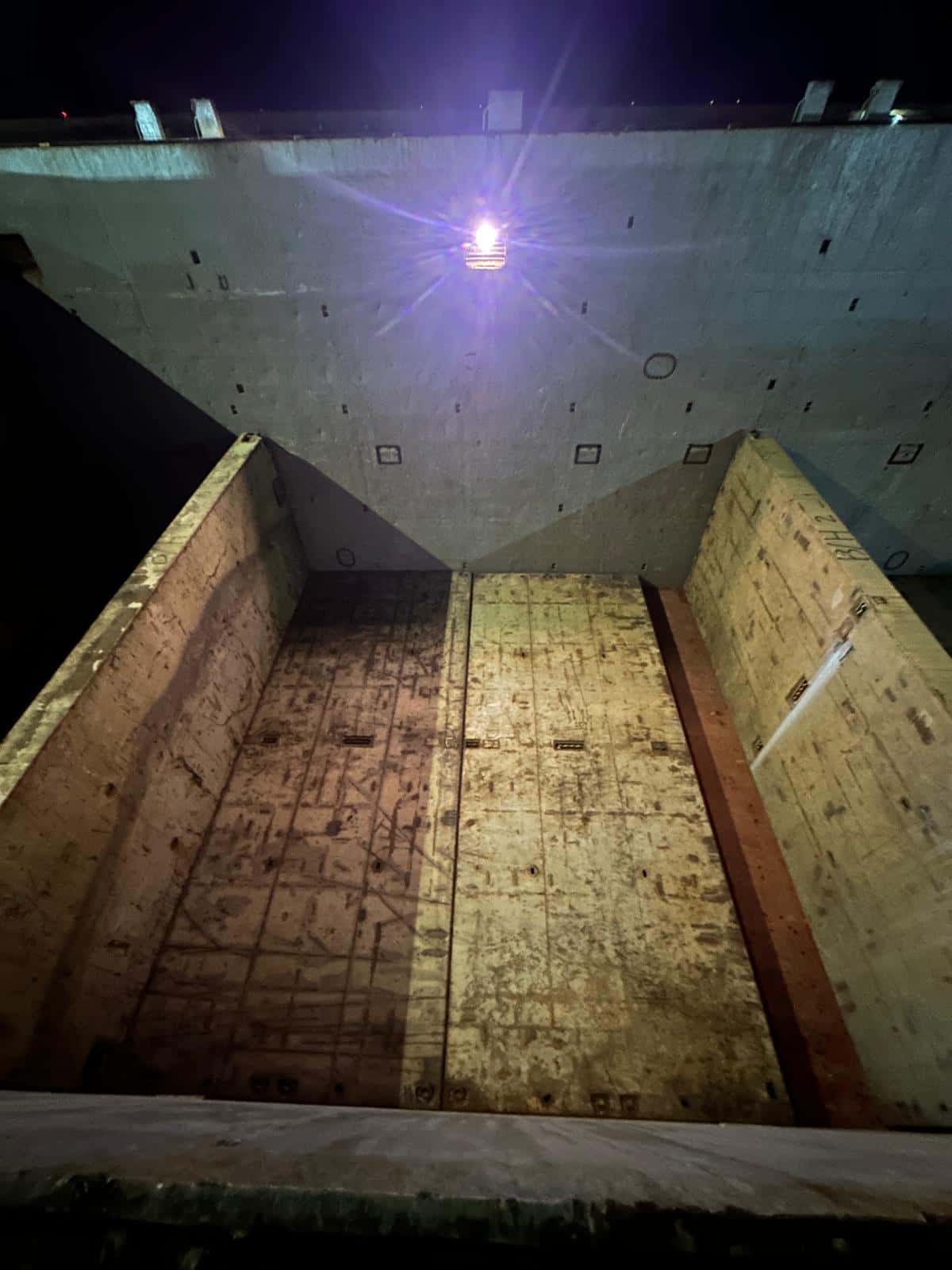
  • Night-time cargo-operation preparation inside an MV EBRU hold.

    Dry-bulk cargo and bulk parcels

    For a dry-bulk enquiry, the review may need cargo characteristics, cleanliness requirements, draft, port conditions, and loading or discharge arrangements.

    • Hold suitability and any survey requirement must be clarified for the specific cargo and vessel.
    • Cargo documents, route, ports, and the vessel's current programme form part of the enquiry data.
    • Any shore-service requirement is confirmed only after the vessel and voyage scope is agreed.
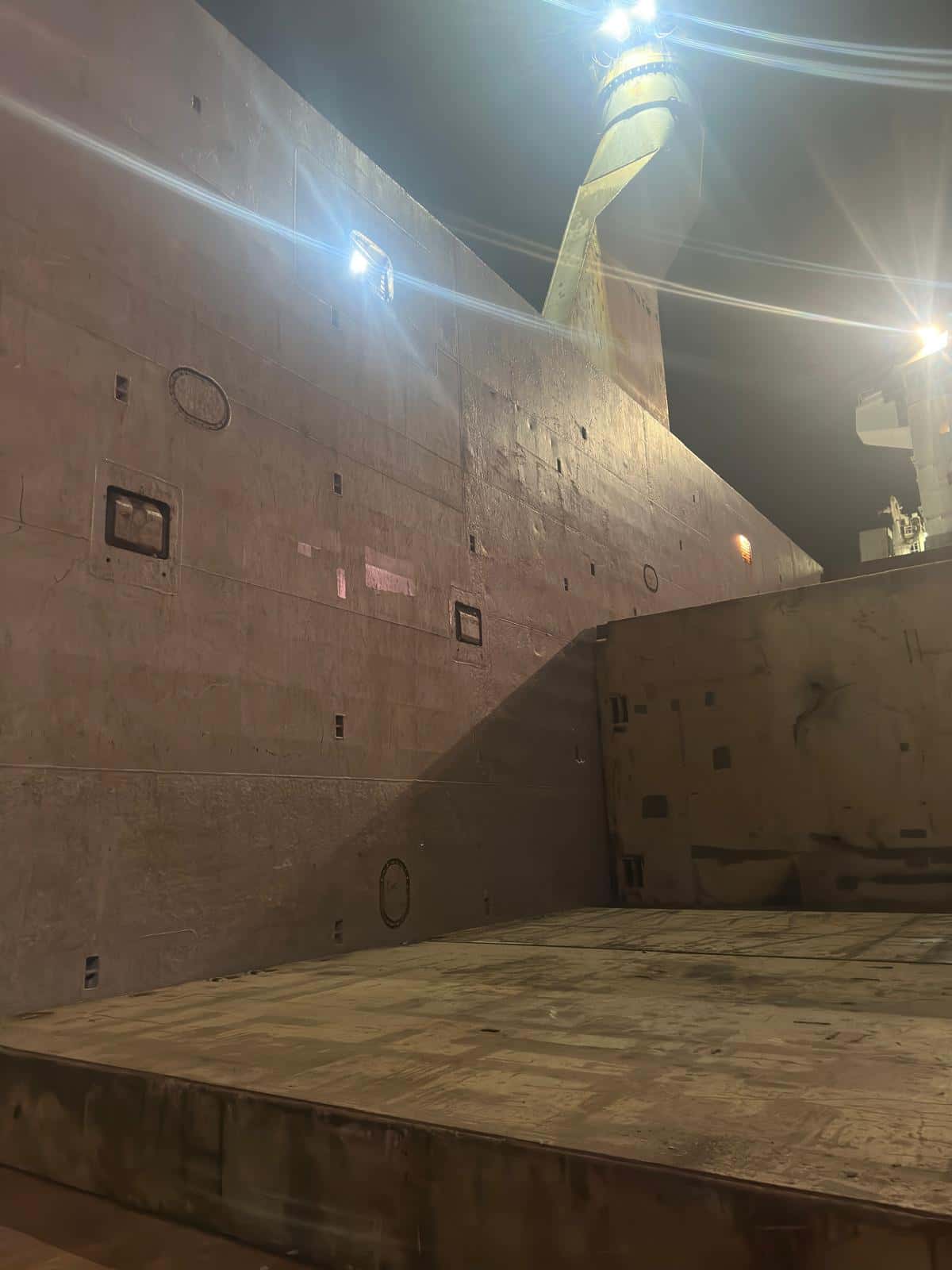
  • Open hatch view during cargo operations on MV EBRU.

    Project cargo and heavy cargo

    Machinery, industrial equipment, and cargo with dimensional or weight sensitivity are reviewed early for technical suitability, securing needs, and port coordination.

    • The enquiry can be compared with the relevant vessel's documented particulars, including MV EBRU's crane, hold, and container figures.
    • Dimensions, weight, lifting points, securing needs, hatch access, and port equipment must be confirmed before acceptance.
    • Any survey need, route constraint, or port requirement remains part of the final suitability review.
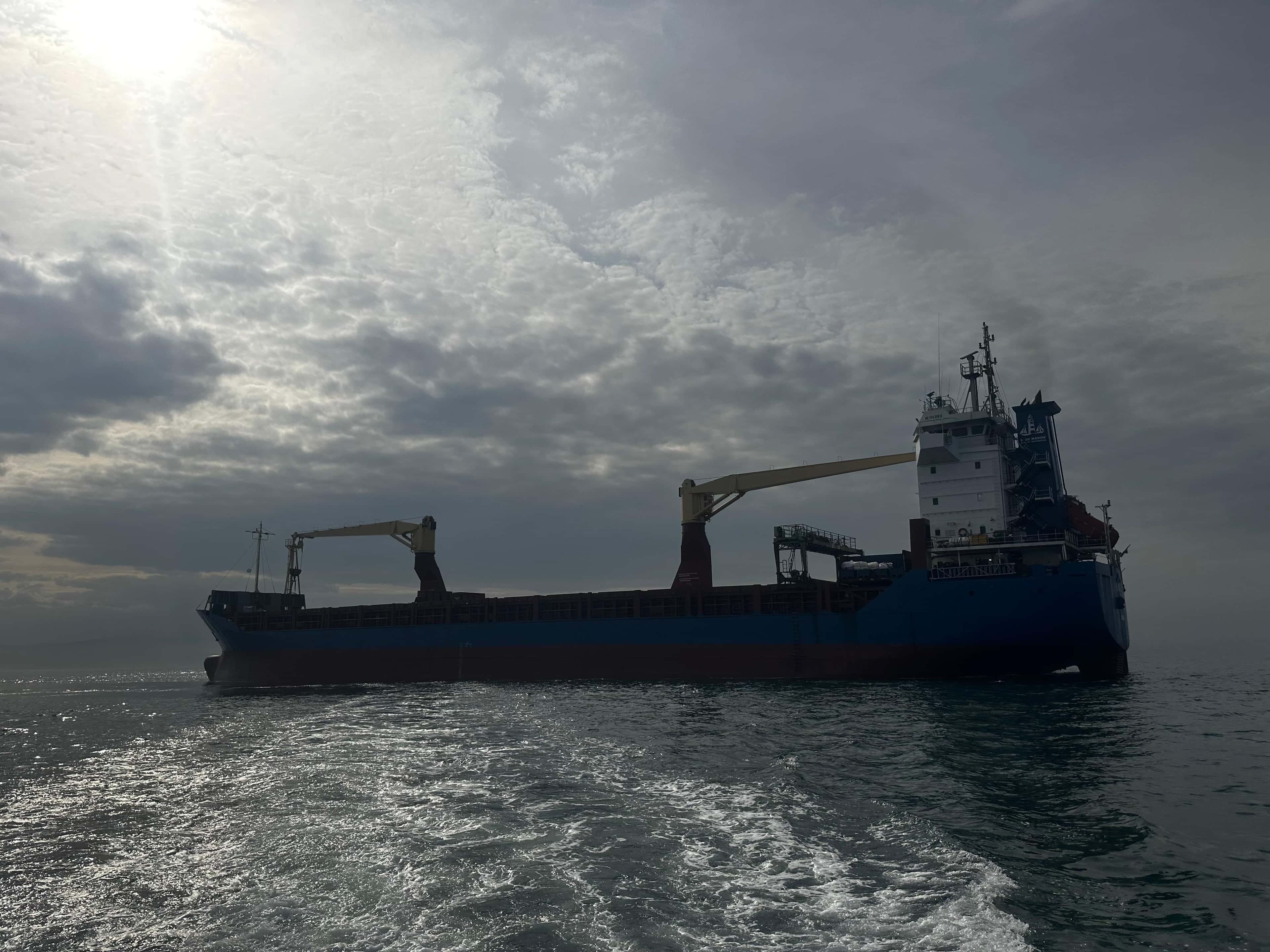
  • MV EBRU at sea, the vessel with documented container and reefer capacity.

    Container and reefer-supported cargo

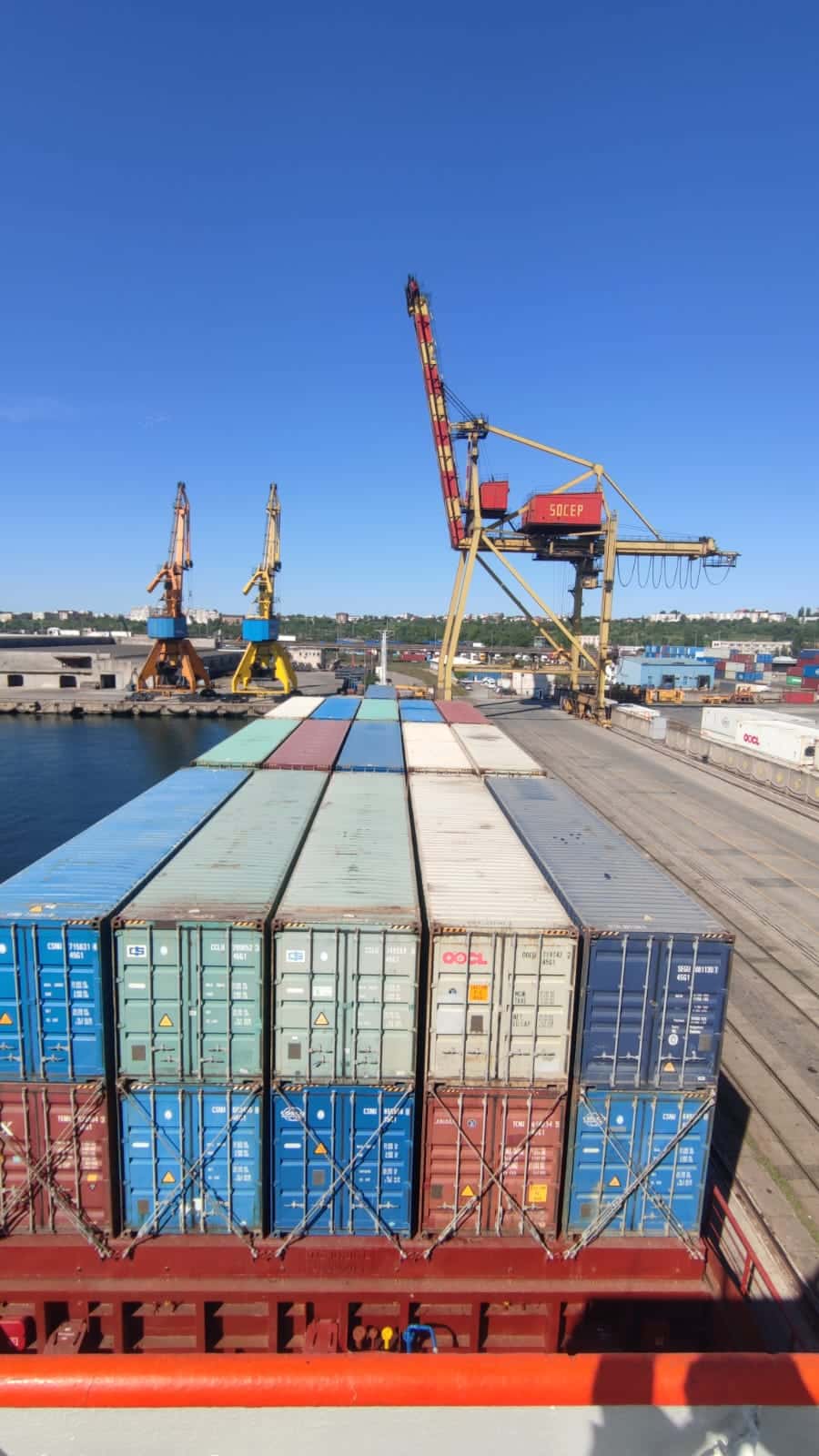
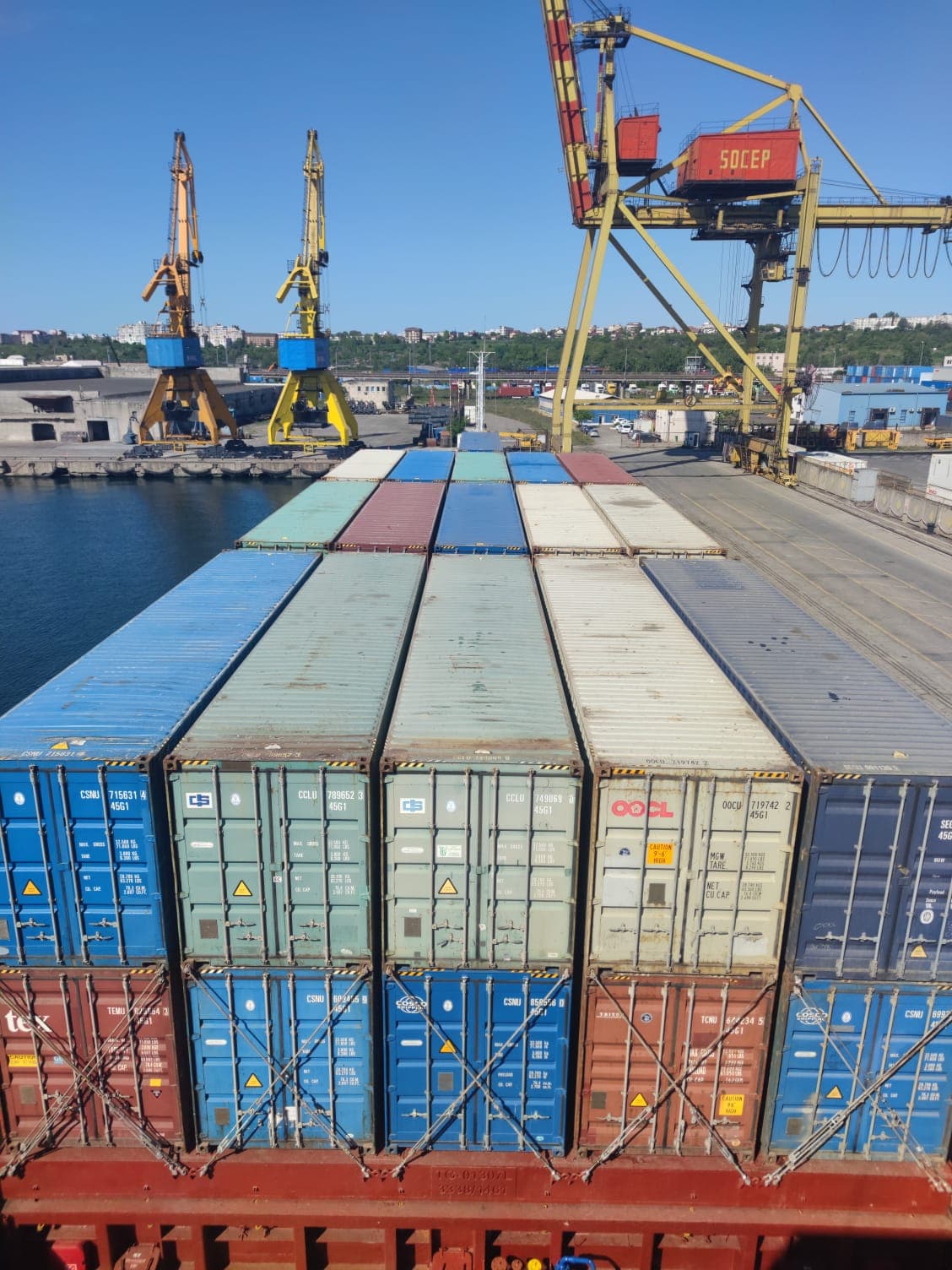
    MV EBRU's documented 562 TEU, 260 FEU, and 60 reefer-plug figures provide the capacity reference for containerised enquiries.

    • Slot requirements, weight distribution, and stowage needs must be assessed against the vessel's documented capacity.
    • Port equipment, electrical requirements, manifests, and document needs are clarified for the relevant voyage.
    • Technical suitability and acceptance conditions for reefer-supported or special-condition containers are confirmed per voyage.
  • Container operation and port cranes at Constanta.

    Cargo suitability and voyage planning

    Whatever the cargo type, the review starts with DWT, hold volume, draft, cargo gear, port restrictions, flag/class requirements, and charter instructions.

    • Cargo details are reviewed alongside vessel capacity, the current programme, and the loading and discharge ports.
    • Capacity alone does not establish suitability; technical, port, route, and contractual conditions also require confirmation.
    • Vessel pages provide ship-specific data, the tracking page provides AIS tracking views, and the Istanbul team receives vessel- or cargo-specific questions.
MV ECE under way off Constanța.

FROM THE FIELD

Real voyages, real operations

Ship management service questions

What services does Blue Marine Global provide?
Blue Marine Global's ship-management services for MV EBRU and MV ECE are organised across six core areas: vessel operations, technical coordination, maintenance follow-up, inspection support and reporting, marine logistics coordination, and safety and compliance.
How does Blue Marine Global handle technical coordination?
Technical coordination covers the review and follow-up of technical needs alongside the vessel programme and available classification and survey records. The relevant parties and exact scope are confirmed for each vessel.
How is ISM responsibility represented?
The Designated Person Ashore function is assigned to Korgun Ariman, providing a clear ISM-related link between vessel and shore management.
Which cargo enquiries can be reviewed?
The page outlines enquiry inputs for general cargo and breakbulk, dry-bulk parcels, project or heavy cargo, and containerised cargo linked to MV EBRU's documented container and reefer-plug figures. Final acceptance is assessed per voyage against vessel suitability, port conditions, documents, routing, flag/class requirements, and the charter contract.
What information is considered in maintenance follow-up?
Maintenance follow-up considers vessel condition, planned-maintenance items, needs reported from the vessel, programme, safety impact, technical requirements, and available service windows together. Exact priorities and responsibilities are set vessel by vessel.
How are inspection findings followed?
Findings are organised by significance, responsible party, expected action, current status, and next follow-up step. The reporting scope is defined against the relevant vessel, requirement, and agreed working framework.
What information should be sent with an operation or cargo enquiry?
Share the vessel name or IMO, cargo type, approximate tonnage and dimensions, loading and discharge ports, date range, packaging or special-handling needs, and any known technical or commercial constraints. Missing inputs are requested during the initial review.

Let's review your operation or cargo enquiry together

Contact the Istanbul team